
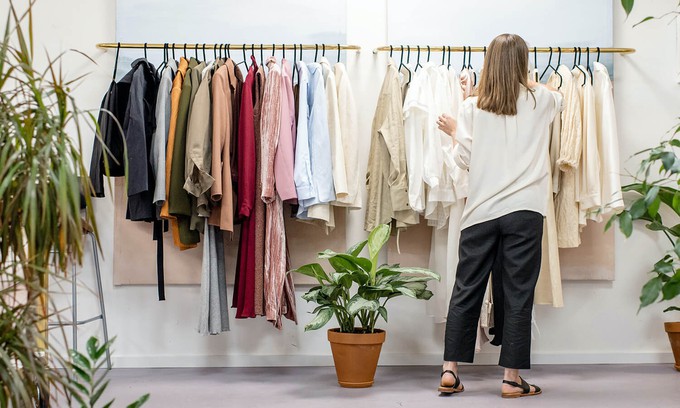
8 Smart Sustainable Fashion Habits That Actually Make a Difference
Sustainable fashion sounds like one of those things you should care about… but don’t always know how to start. It’s everywhere—on social media, in brand campaigns, even in conversations—but somehow still feels slightly out of reach.
And if we’re being honest, sustainable fashion can feel slightly intimidating at first. Like there’s an invisible checklist you’re supposed to follow perfectly. But the reality is much simpler. Sustainable fashion isn’t about doing everything right—it’s about doing a few things better than before. That’s it.
What Sustainable Fashion Really Means (Without Overcomplicating It)
Sustainable fashion isn’t just about buying “eco-friendly” clothes and calling it a day. It’s a broader idea that focuses on how clothes are made, how long they last, and how often they’re replaced.
At its core, sustainable fashion is about:
- Reducing waste
- Choosing better quality over quantity
- Being mindful of how often you consume
Hot take: Sustainable fashion isn’t about perfection. It’s about being slightly more intentional than you were before—and honestly, that’s already a big shift.
Why Sustainable Fashion Matters More Than You Think
It’s easy to assume one person’s choices don’t matter much. But when it comes to sustainable fashion, small habits add up quickly.
The fashion industry moves fast—really fast. Trends change in weeks, and clothes are often treated as temporary. That cycle creates waste, and a lot of it. Sustainable fashion exists to slow that cycle down. Not eliminate trends or style, but reduce how quickly things are produced, worn, and discarded.
So when you choose sustainable fashion, even in small ways, you’re pushing against that cycle. And that matters more than it seems.
8 Sustainable Fashion Habits That Are Actually Realistic
You don’t need a complete wardrobe overhaul. Start with what feels manageable.
1. Buy Less, But Choose Better
This is where sustainable fashion really begins. Instead of buying multiple trendy pieces that might fall apart after a few washes, focus on quality. Look for items that feel durable, fit well, and can be worn in different ways.
It might feel like you’re spending more upfront, but over time, you actually buy less. And that’s the point—sustainable fashion shifts your mindset from quantity to value. You stop chasing newness and start appreciating what lasts.
2. Rewear Without Overthinking It
Somewhere along the way, repeating outfits became something people try to avoid. But sustainable fashion flips that idea completely.
Wearing the same outfit multiple times isn’t boring—it’s practical. In fact, the more you rewear something, the more value you get out of it. And when styled differently, the same piece can look completely new.
The goal isn’t to constantly look different. It’s to make what you already own work harder for you.
3. Pay Attention to Fabric Quality
Not all clothes are created equal. Some fabrics wear out quickly, lose shape, or fade after a few washes. Sustainable fashion encourages you to pay attention to that.
Stronger, better-quality fabrics tend to last longer, which means fewer replacements. Even something as simple as checking the thickness, stitching, or feel of a fabric can make a difference.
It’s not about becoming an expert—it’s just about being slightly more aware before you buy.
4. Avoid Impulse Shopping
We’ve all been there—buying something just because it looks good in the moment. But sustainable fashion encourages you to pause.
Ask yourself:
Will I actually wear this more than a few times?
Does it fit into my existing wardrobe?
If the answer is unclear, it’s probably not worth it. Slowing down your decisions is one of the easiest ways to reduce unnecessary buying without feeling restricted.
5. Try Thrifting or Second-Hand
Not everything in your wardrobe needs to be brand new. Sustainable fashion includes extending the life of clothes that already exist.
Thrifting or buying second-hand gives clothes a second chance instead of letting them go to waste. And sometimes, you find pieces that are more unique than anything in regular stores.
It’s not just about saving money—it’s about reducing demand for constant new production.
6. Take Care of Your Clothes
This one is underrated. Sustainable fashion isn’t just about what you buy—it’s also about how you maintain it.
Simple habits like washing clothes properly, avoiding excessive heat, and storing them well can extend their life significantly. The longer your clothes last, the less often you need to replace them.
It’s a small effort that makes a surprisingly big difference.
7. Build a Versatile Wardrobe
A wardrobe where everything works together? That’s where sustainable fashion becomes easy.
When your clothes can be mixed and matched, you naturally create more outfits with fewer pieces. This reduces the urge to constantly buy something new.
Think of it as simplifying your choices rather than limiting them. Fewer pieces, more combinations.
8. Be More Aware, Not Perfect
This might be the most important habit of all. it isn’t about strict rules or perfect decisions.
You don’t need to get everything right. You don’t need to completely change your lifestyle overnight. Just being aware of your choices—and trying to improve gradually—is enough.
Because it works best when it’s realistic, not overwhelming.
Common Misconceptions About Sustainable Fashion
There are a few things that make it feel harder than it actually is:
- “It’s too expensive” → Buying less often balances the cost
- “It’s boring” → Styling matters more than trends
- “You have to do everything at once” → You really don’t
Most of these assumptions come from thinking about it requires perfection. It doesn’t.
How Sustainable Fashion Fits Into Everyday Life
The reason it works is because it blends into what you’re already doing.
You still shop—but more intentionally.
You still enjoy trends—but don’t follow all of them.
You still express your style—just without constant replacement.
It’s not restrictive. If anything, it simplifies things.
Final Thought
Sustainable fashion isn’t about giving up style or making extreme changes. It’s about understanding that small, consistent choices can reduce unnecessary waste over time.
And maybe that’s what makes it realistic. You don’t need to do everything—you just need to start somewhere. And once you do, it stops feeling like an effort and starts feeling like a habit.