
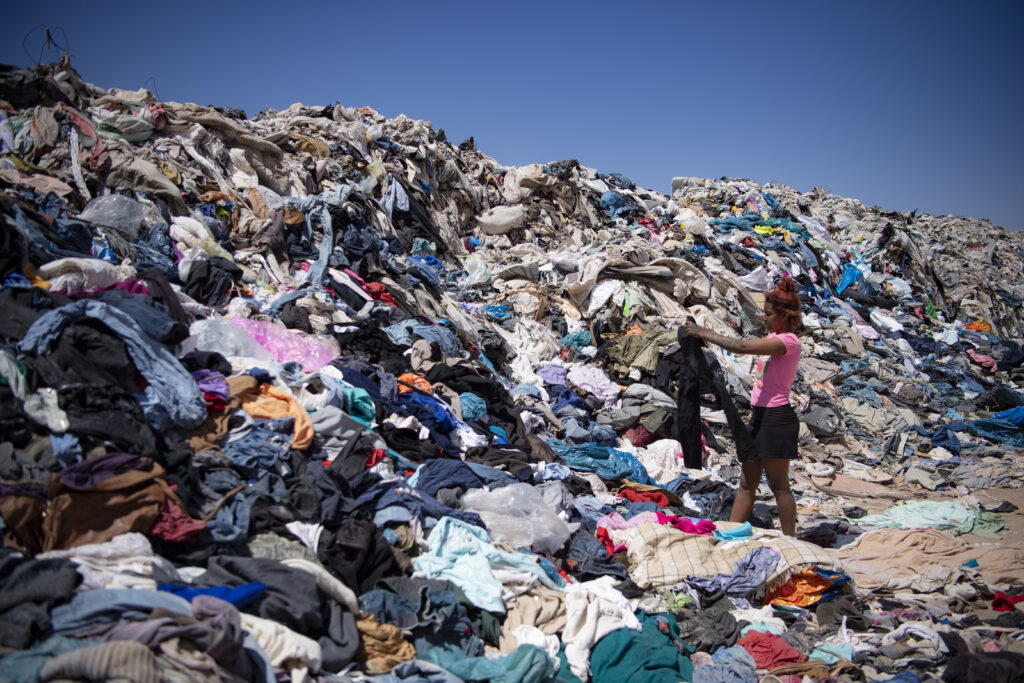
Shocking Ways Fast Fashion Is Quietly Destroying the Environment
Fast fashion sounds harmless. Affordable clothes, quick trends, endless options—what’s not to like?
Well… quite a lot, actually.
If you’ve ever bought something trendy, worn it twice, and then forgotten it existed, you’ve already interacted with fast fashion more than you think. And while it feels convenient on the surface, the environmental cost behind it is anything but.
Why Fast Fashion Exists (And Why It’s So Hard to Avoid)
It is built on one simple idea: produce clothes quickly, sell them cheaply, and keep people buying more.
Sounds efficient. And honestly, it is.
But here’s the catch:
- Trends change faster than ever
- Clothes are made to be disposable
- Quality is often sacrificed for speed
Hot take: Fast fashion isn’t just a brand problem—it’s a consumer habit problem.
Ways Fast Fashion Affects the Environment
Let’s get into what actually happens behind those “affordable” outfits.
1. Massive Textile Waste
Most discarded pieces don’t last long. They fade, stretch, or fall apart quickly.
Result?
- Tons of clothing end up in landfills
- Many items are worn only a few times
And no, they don’t magically disappear.
2. Water Pollution
The production involves heavy dyeing and chemical treatments.
This leads to:
- Contaminated rivers and water sources
- Harm to aquatic life
Clean clothes, dirty water. That’s the trade-off.
3. Overuse of Natural Resources
It relies heavily on water, energy, and raw materials.
For example:
- Cotton production alone uses huge amounts of water
- Synthetic fabrics depend on fossil fuels
It adds up faster than you think.
4. Microplastic Pollution
Many items are made from synthetic fibers like polyester.
Every time you wash them:
- Tiny plastic fibers enter water systems
- These microplastics end up in oceans—and eventually, in food chains
Not exactly what you expect from a basic t-shirt.
5. Carbon Emissions
It contributes significantly to global carbon emissions.
Why?
- Rapid production cycles
- Global shipping
- High turnover of clothing
It’s not just fashion—it’s a full-scale environmental impact.
6. Cheap Materials, Short Lifespan
It isn’t built to last.
Which means:
- You replace items more often
- More production is required
- More waste is created
A cycle that never really slows down.
7. Overflowing Landfills
Discarded items often end up in landfills.
And here’s the problem:
- Synthetic fabrics take years to decompose
- Some never fully break down
So that “quick outfit” sticks around for a long time.
8. Excessive Production
Fast fashion brands don’t just produce what’s needed—they overproduce.
Why?
- To keep up with trends
- To avoid running out of stock
The result is unsold clothing that often gets discarded.
9. Chemical Usage
From dyes to finishing treatments, it uses a lot of chemicals.
These chemicals:
- Pollute soil and water
- Affect ecosystems
- Impact human health in production areas
Not something you see on the label.
10. Encourages Overconsumption
This might be the biggest issue of –
Fast fashion trains people to:
- Buy more
- Wear less
- Repeat
Reality check: The problem isn’t just how clothes are made—it’s how quickly we move on from them.
Is Fast Fashion Always Bad?
Here’s where things get a bit uncomfortable.
It isn’t entirely avoidable for everyone. It’s affordable, accessible, and everywhere.
But that doesn’t mean it’s harmless.
You don’t have to completely eliminate fast fashion—but being aware of its environmental impact is the first step.
How to Be More Mindful Without Overcomplicating It
If you’re not ready to give up fast fashion completely, that’s fine.
Start small:
- Buy less, choose better
- Rewear outfits instead of replacing them quickly
- Pay attention to fabric quality
- Avoid impulse purchases
You don’t need a perfect wardrobe. Just a more intentional one.
The real issue with it isn’t just production—it’s the pace. It depends on people buying more, more often, and replacing items quickly. As long as it remains convenient and accessible, the environmental impact of it will keep increasing.
That doesn’t mean you need to completely avoid fast fashion overnight. But being more aware of how fast fashion affects the environment is important. Small changes—like buying less , choosing better quality, and reusing what you already own—can reduce your reliance on it over time.
Because in the end, fast fashion exists at this scale because it fits into everyday habits. Changing those habits, even slightly, is what actually makes a difference.
Final Thought
Fast fashion makes style feel easy. But the environmental cost behind it is anything but.
And maybe that’s the real issue—it hides its impact too well.
Because once you actually understand what fast fashion does to the environment, it becomes a lot harder to ignore.