
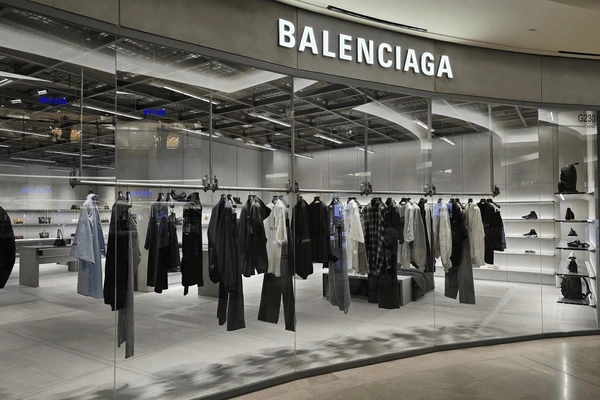
Balenciaga controversy is one of those topics that refuses to fade away quietly. Even if you’re not deeply into fashion, chances are you’ve heard something about it—maybe in passing, maybe in outrage.
And if you’re a beginner trying to understand what actually happened, it can feel confusing. Different opinions, strong reactions, and a lot of noise. So instead of adding to the chaos, let’s break it down simply—what happened, why it matters, and whether the reaction makes sense.
What Started the Balenciaga Controversy
The Balenciaga controversy began with an advertising campaign that quickly caught public attention—but not in a good way.
The campaign featured:
- Children holding teddy bear bags
- The bags styled in what people described as inappropriate or disturbing ways
- Visual elements that didn’t sit right with viewers
On top of that, another campaign included documents in the background that sparked further backlash. At this point, the Balenciaga controversy wasn’t just about fashion—it became a serious public debate.
Why the Reaction Was So Strong
Fashion campaigns often push boundaries. That’s not new.
But the Balenciaga controversy hit differently because:
- It involved children
- The imagery felt uncomfortable to many people
- It raised ethical concerns beyond just “bad taste”
This wasn’t just about aesthetics anymore. It became about responsibility.
Hot take: Not every “bold” campaign is intelligent. Sometimes it’s just misjudged—and this felt like one of those moments.
Balenciaga’s Response to the Controversy
After the backlash, the brand responded publicly.
Their actions included:
- Removing the campaigns
- Issuing apologies
- Addressing the concerns raised
But here’s the thing—once a controversy reaches that level, a response doesn’t immediately fix public perception.
Some people accepted the apology. Others didn’t.
The Bigger Question: Was It a Mistake or Something Deeper?
This is where opinions start to divide.
Some believe:
- It was a poorly executed campaign
- A creative decision that went too far
Others think:
- It reflects deeper issues within the industry
- It wasn’t just an accident
The Balenciaga controversy sits right in the middle of this debate.
How the Balenciaga Controversy Affected the Brand
Controversies don’t just stay online—they affect reputation.
After the Balenciaga controversy:
- The brand faced public criticism
- Celebrities and influencers distanced themselves
- Discussions around brand accountability increased
But interestingly, the brand didn’t disappear. Which says something about how fashion works.
Why Fashion Controversies Keep Happening
This isn’t the first time a brand has faced backlash—and it won’t be the last.
Fashion often:
- Pushes boundaries to stay relevant
- Relies on shock value to gain attention
- Tests what people will accept
Sometimes it works. Sometimes it backfires.
And the Balenciaga controversy is a clear example of when it backfires.
Should You Still Care About It?
This depends on your perspective.
If you’re just someone interested in fashion, this might feel like “just another controversy.” But it also raises questions about:
- Ethical responsibility
- Creative limits
- Consumer awareness
Reality check: What you choose to support as a consumer matters more than most people think.
Final Thought
The Balenciaga controversy isn’t just about one campaign—it’s about how far fashion can go before it crosses a line. And more importantly, who gets to decide where that line is.
It’s easy to move on from topics like this once they stop trending. But understanding why they happened in the first place? That’s what actually matters.
Because in the end, fashion isn’t just about clothes. It’s about choices—both from brands and from the people who support them.